Eliminating Installation Variability in Control Panels Through Design
One of the more subtle—but highly visible—issues on the Lance Enduro platform showed up in the final stages of assembly.
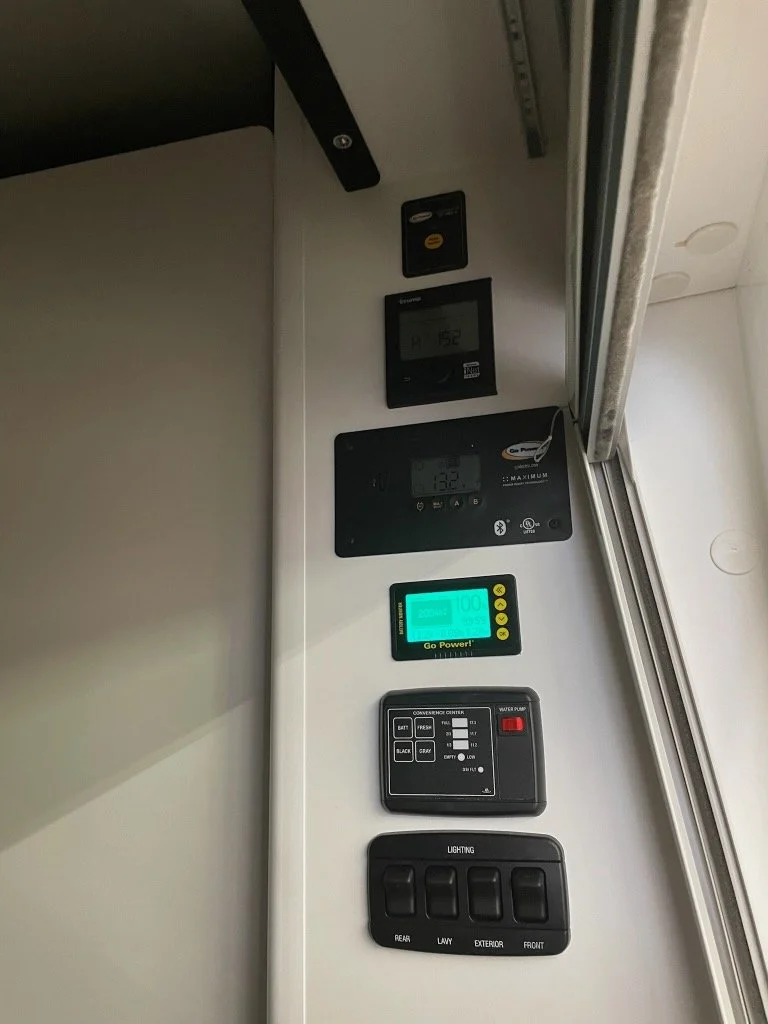
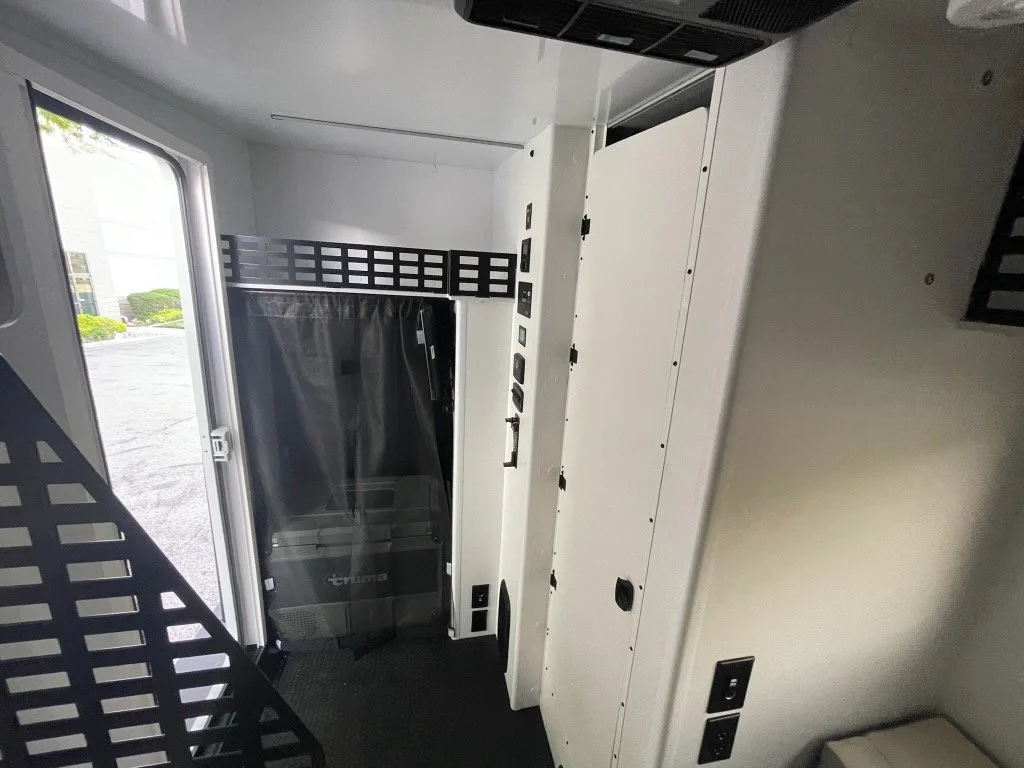
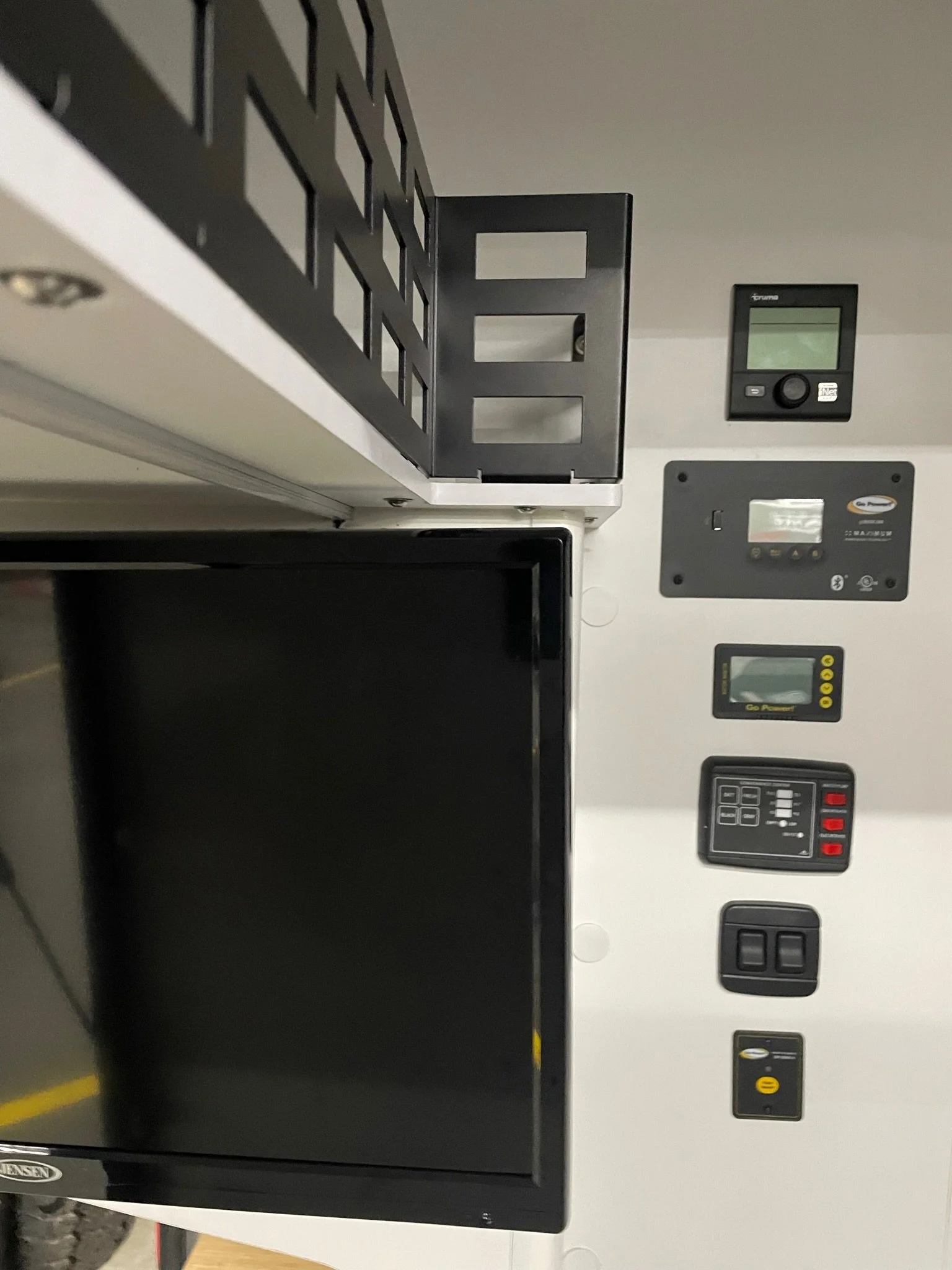
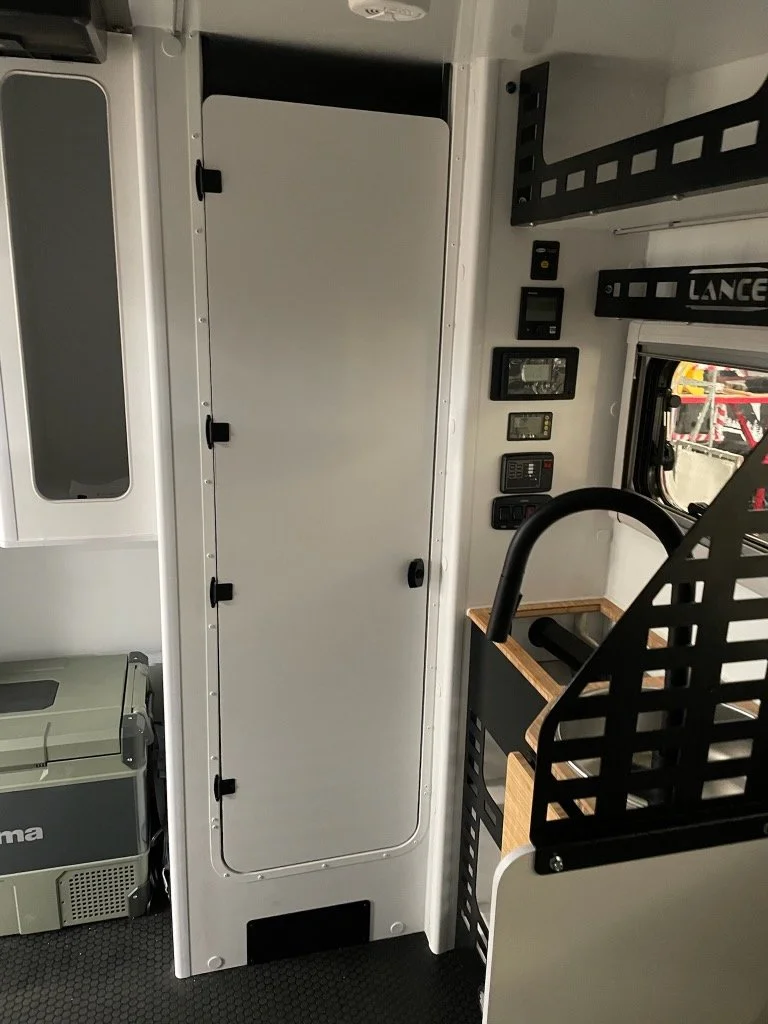
Control panels with screens and switches were being installed slightly differently from unit to unit. The differences weren’t massive, but they were noticeable—misaligned screens, uneven spacing, and a lack of visual consistency that made the product feel less refined than it should.
The root of the problem wasn’t the technicians. It was the process.
Installers were effectively making judgment calls during assembly—positioning components by eye or based on general guidelines. Even with skilled workers, that kind of variability is hard to eliminate when the design doesn’t physically guide the outcome.
Instead of trying to tighten installation procedures or add more oversight, I approached it from a design-for-manufacturing standpoint: remove the decision-making from the process entirely.
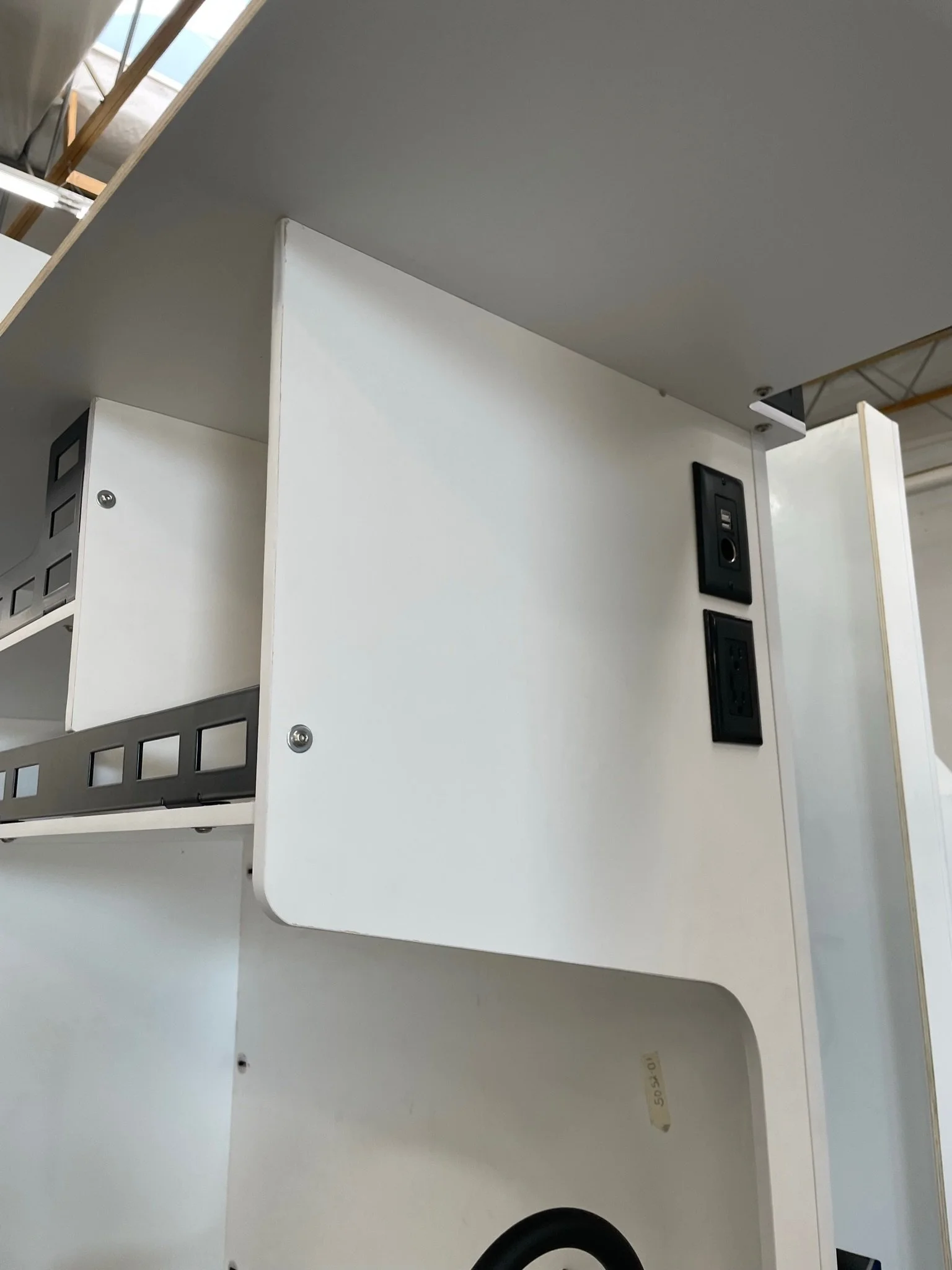
Using the 3D models of each screen and switch, I defined exact placement locations and translated those directly into the cabinet CNC files. Pilot holes were added for every component, fully constrained in position, spacing, and alignment.
Now, instead of “place and adjust,” the process became “locate and install.”
The impact was immediate. Components lined up consistently across every unit, installation time decreased, and the need for rework dropped significantly. Just as importantly, the final product looked intentional and precise—something customers notice, even if they can’t explain why.
Like many effective manufacturing improvements, this didn’t require new parts or added cost. It came from aligning design data with how the product is actually built, and using that to guide the process instead of leaving it up to interpretation.
It’s a small change on paper, but in production, it removed a surprising amount of friction.