How We Cut Assembly Labor Nearly 50% by Rethinking the Chassis
When most teams try to reduce labor on the production line, they focus on the assembly process itself—reordering steps, improving training, or adding tools. That can help, but it usually leads to incremental gains.
On the Lance Enduro platform, we took a different approach. Instead of asking, “How do we make assembly faster?” we asked, “Why does this take so long in the first place?”
That question led us upstream—straight to the chassis.
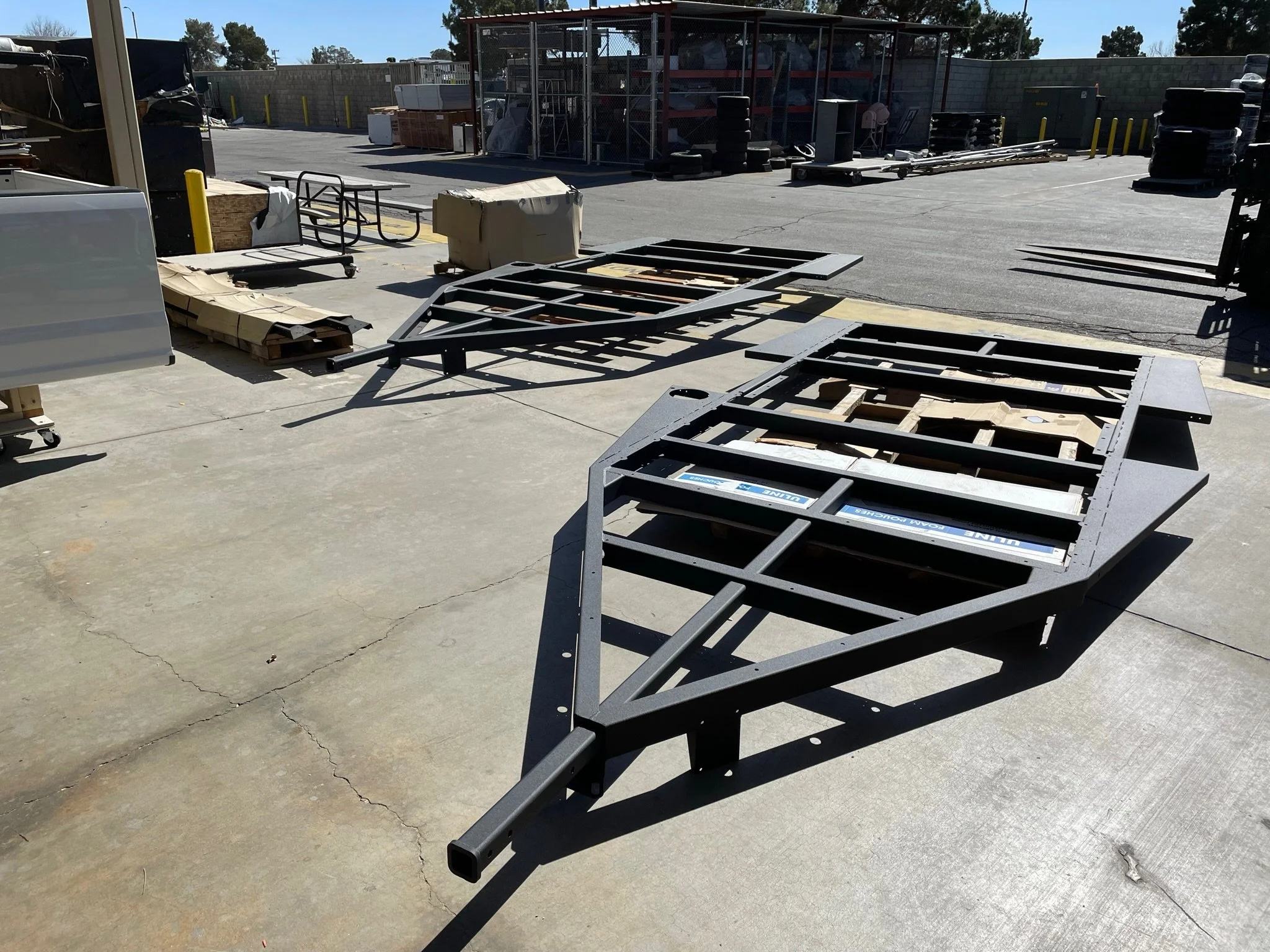
Traditionally, the chassis is treated as a structural component. Its job is to support the vehicle, meet load requirements, and interface with other systems. But what often gets overlooked is how much the chassis dictates everything that happens after it hits the production floor.
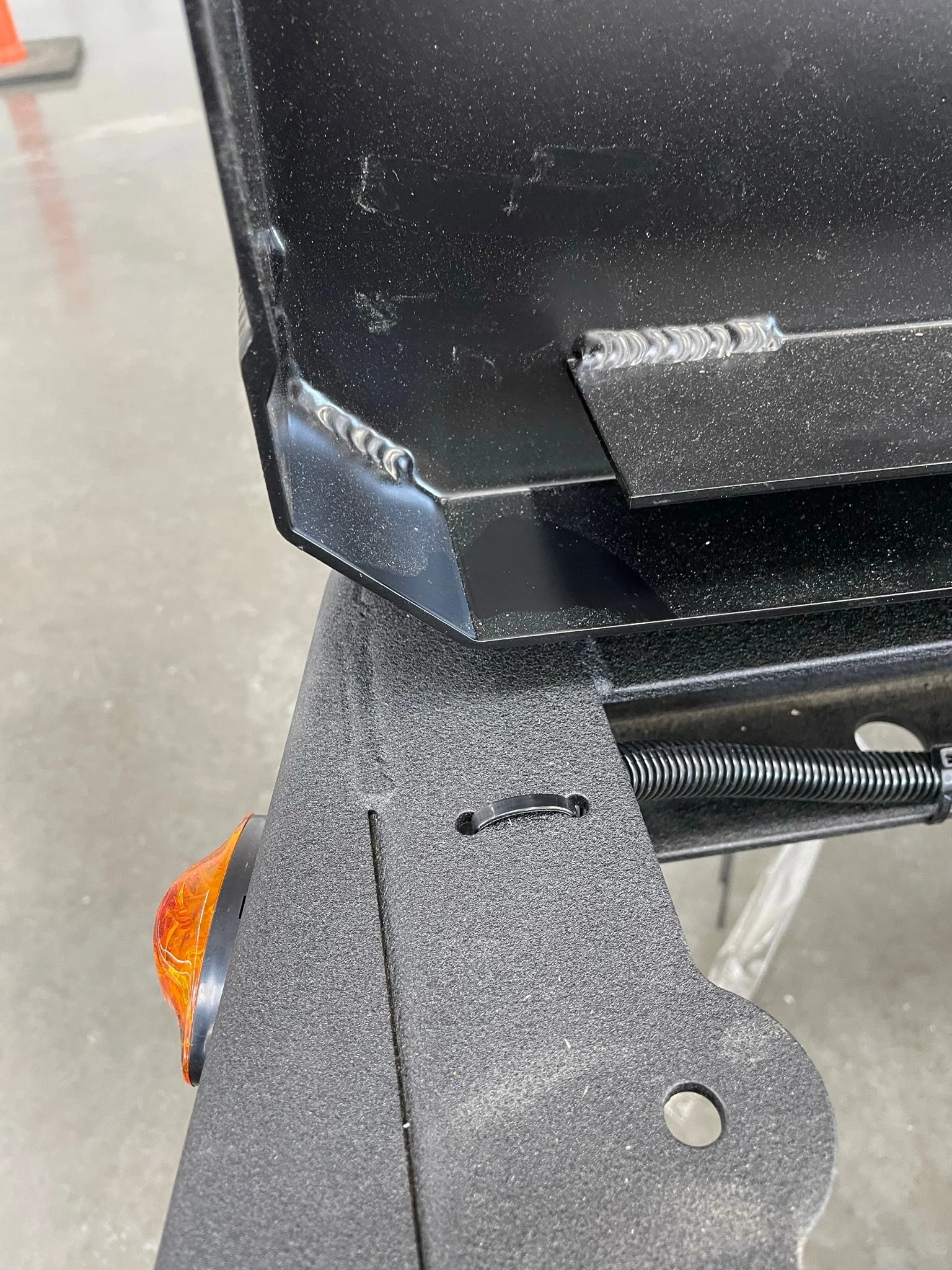
In our case, a significant portion of labor time was tied up in routing and securing wire harnesses. It required tools, added handling time, and introduced the risk of damaging the powder coat during installation. It also left room for inconsistency—different technicians solving the same problem slightly differently.
Rather than trying to optimize that process on the line, we eliminated the problem at the source.
We redesigned the chassis to include strategically placed holes that allowed wire harnesses to be secured using zip ties—no tools required. Because the chassis was already being CNC laser cut, these features came at effectively zero additional cost. But the impact downstream was immediate.
Installation became faster, more consistent, and far less dependent on technician skill or workarounds. There was no longer a need to fight the design during assembly—the design was doing the work.
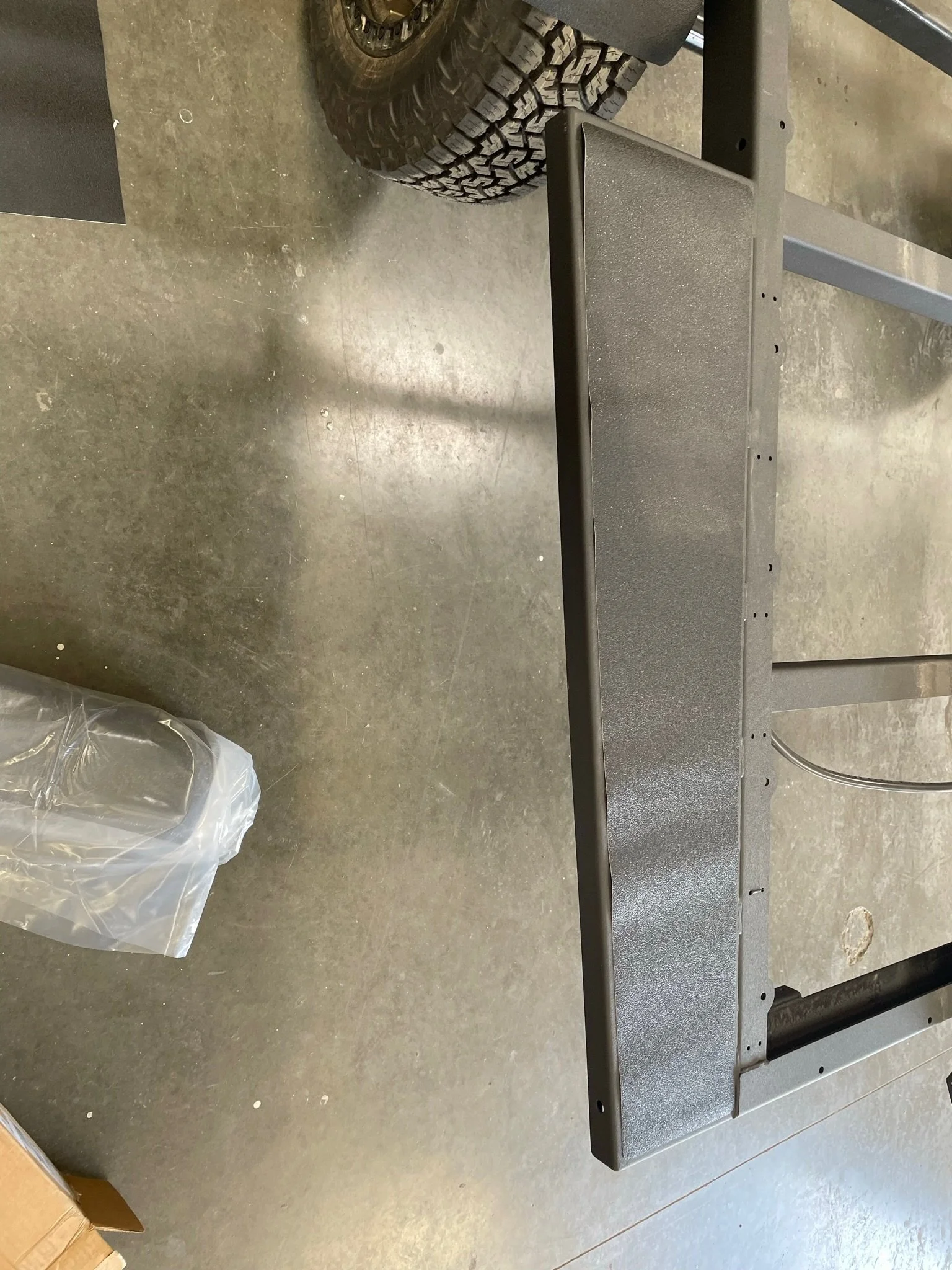
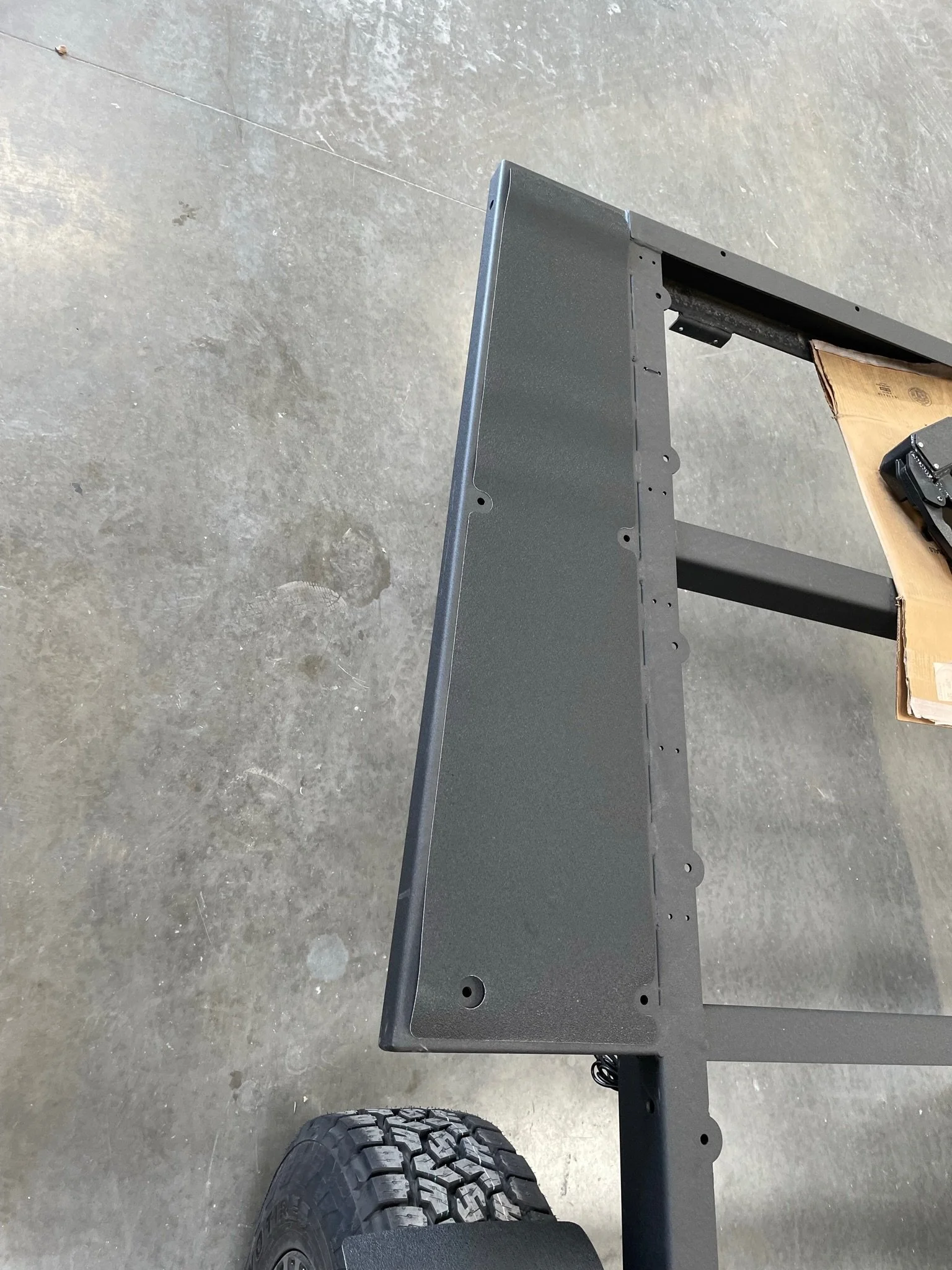
This was just one example of a broader shift in how we approached the platform. By treating the chassis as a driver of assembly efficiency—not just structure—we were able to remove friction across multiple stages of the build.
The result was a nearly 50% reduction in assembly labor.
What made this especially impactful wasn’t just the time savings—it was that it didn’t require new materials, additional components, or capital investment. It came from aligning design decisions with how the product is actually built.
That’s where the biggest gains usually are